From Feeders to Nutrition: A Complete Avian Disease Prevention Guide
Birds, whether soaring freely in the wild or gracing our homes as cherished companions, play a vital role in our ecosystems and bring immense joy. However, their health is constantly under threat from a myriad of diseases. From common ailments like salmonellosis and aspergillosis to more severe threats such as avian influenza, these illnesses can spread rapidly through shared habitats, contaminated food, and direct contact, impacting both avian populations and, in rare instances, human health. Understanding and implementing comprehensive **avian disease prevention** strategies isn't just a best practice; it's a responsibility that protects our feathered friends, preserves biodiversity, and contributes to overall community well-being. This guide delves into the essential pillars of prevention, offering actionable insights for every bird enthusiast.
The Cornerstone of Avian Disease Prevention: Robust Biosecurity
Effective biosecurity is the bedrock upon which all successful **avian disease prevention** efforts are built. It encompasses a multifaceted approach designed to halt the introduction and spread of pathogens before they can take hold. A proactive stance, rather than a reactive one, keeps birds healthier and minimizes stress for both birds and their caregivers.
Maintaining Impeccable Hygiene for Feeders and Habitats
One of the most common vectors for disease transmission among birds is contaminated feeding and watering stations. For wild bird enthusiasts, regular cleaning is paramount. Experts recommend cleaning feeders and bird baths at least every two weeks, and ideally more often, especially during peak feeding times or after heavy rainfall. Use a diluted bleach solution (9 parts water to 1 part bleach) for thorough disinfection. Remember to scrub off any caked-on droppings, mold, or old food before soaking, then rinse thoroughly and allow to dry completely before refilling. Removing seed hulls weekly is also crucial to prevent the growth of harmful fungi and bacteria. Strategically placing feeders at least 30 feet apart can further reduce crowding and minimize disease transmission among wild bird populations.
For domestic birds, cage and habitat hygiene are even more critical. Daily spot cleaning of droppings and food debris helps maintain a clean environment, while a more thorough weekly cleaning of the entire cage, perches, and toys is essential. A safe and effective cleaning solution for cages can be made with hydrogen peroxide and water. Ensure proper ventilation in the bird's living area to reduce airborne pathogens. Consistently clean and disinfect all food and water dishes daily. By adhering to these strict hygiene protocols, you significantly reduce the risk of common diseases like psittacosis, salmonellosis, and fungal infections like aspergillosis. To learn more about how cleanliness stops spread, read our article on
Biosecurity Basics: Stop Avian Disease Spread Through Cleanliness.
The Critical Role of Quarantine and Personal Practices
Introducing new birds into an existing flock or household is a high-risk activity that demands careful adherence to quarantine protocols. A new bird should be isolated in a completely separate room, away from other birds, for a minimum of 30 days. During this period, use separate feeding dishes, water bowls, and cleaning equipment. It’s also wise to care for the quarantined bird last to avoid cross-contamination. A visit to an avian veterinarian for a thorough check-up and necessary diagnostics (e.g., psittacosis testing, parasite screening) *before* integration is highly recommended. This crucial step can prevent the unwitting introduction of mites, internal parasites, or bacterial and viral infections that could devastate your existing birds.
Personal hygiene is equally vital. After handling any bird or cleaning their enclosure, wash your hands thoroughly with soap and water. If you work with multiple birds or are in a high-risk environment (e.g., rescue, breeding facility), consider wearing protective gear such as gloves, masks, and dedicated clothing to prevent the potential spread of zoonotic diseases, which, while rare, can affect humans, particularly those with compromised immune systems or who have extensive bird contact.
Nurturing Health from Within: The Power of Optimal Nutrition
Beyond a clean environment, proper nutrition is a cornerstone of robust **avian disease prevention**. A well-balanced diet provides the essential nutrients birds need to maintain strong immune systems, healthy organs, and overall resilience against illness. Malnutrition, even subtle deficiencies, can weaken a bird's defenses, making them far more susceptible to pathogens.
Crafting a Balanced Diet for Avian Well-being
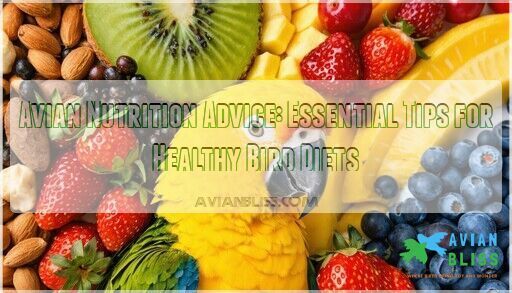
For domestic birds, a diet primarily consisting of high-quality, species-appropriate pellets is often recommended by avian veterinarians, forming the base of their nutritional intake. These pellets are formulated to provide a balanced array of vitamins, minerals, and proteins. This should be supplemented with a diverse range of fresh vegetables (e.g., dark leafy greens, bell peppers, carrots, broccoli) and a small amount of fruits (e.g., berries, apples, melon) as healthy treats. While fortified seeds can be offered in moderation, a seed-only diet is often deficient in crucial nutrients and can lead to significant health problems. For instance, birds like budgerigars and Amazons on seed-heavy diets are prone to obesity and related issues like liver disease. Always ensure fresh, clean water is available at all times, replacing it at least once daily.
Addressing Specific Nutritional Concerns
Specific nutritional imbalances can have devastating consequences for bird health. Vitamin A deficiency, for example, is common in budgerigars and cockatiels fed seed-only diets and can lead to respiratory problems, poor feather quality, and weakened immune function. Similarly, calcium imbalances can impair bone growth in young parrots and lead to egg-binding issues in breeding females. For certain species, specific dietary precautions are necessary: toucans and mynahs, for instance, are susceptible to hemochromatosis (iron storage disease), so their diets must be carefully monitored to avoid iron-rich foods. For comprehensive strategies on keeping your birds healthy, refer to
Essential Strategies: Preventing Avian Diseases & Keeping Birds Healthy. Regular consultation with an avian vet is vital to tailor a diet that meets the unique needs of your bird species, ensuring they receive all the necessary nutrients without excess or deficiency.
Vigilance and Professional Care: Early Detection and Preventative Medicine
Even with the most rigorous biosecurity and optimal nutrition, diseases can sometimes emerge. The ability to detect illness early and provide prompt professional care is critical for successful **avian disease prevention** and treatment outcomes.
Mastering the Art of Observation
Birds are masters at hiding illness due to their innate survival instincts; appearing weak makes them targets for predators. This means pet bird owners must become keen observers of their bird's normal behavior. Daily monitoring for subtle changes is your first line of defense. Look for shifts in appetite or water consumption, changes in the consistency or color of droppings, ruffled or fluffed feathers (especially when not sleeping), lethargy, labored breathing, discharge from the eyes or nares, limping, or any unusual growths. Behavioral changes, such as reduced activity, aggression, or a sudden lack of interest in toys or interaction, can also be indicators. Early detection, sometimes just a few hours after symptoms appear, can dramatically improve the prognosis for many avian illnesses. For wild birds, observing general flock health and reporting unusual die-offs to local wildlife authorities is important.
The Indispensable Role of the Avian Veterinarian
Regular check-ups with an avian veterinarian are paramount, even for seemingly healthy birds. These annual visits establish a baseline for your bird's health, allowing the vet to identify subtle changes over time. Your vet can provide species-specific advice on diet, environmental enrichment, and preventative measures. They can also perform important diagnostic tests, recommend appropriate vaccinations (for diseases like Polyomavirus or Pacheco's disease, depending on species and region), and address any concerns before they escalate into serious health crises. If you observe *any* signs of illness, do not delay in contacting your avian vet. A twisted neck, severe lethargy, or difficulty breathing warrant immediate professional attention. Proactive engagement with an avian professional is arguably the most impactful aspect of long-term avian health management.
In conclusion, ensuring the health and longevity of our avian companions and wild bird populations is a shared endeavor built upon vigilance, cleanliness, and informed care. By prioritizing robust biosecurity, providing optimal nutrition, maintaining a keen eye for early signs of illness, and partnering with experienced avian veterinarians, we significantly bolster our efforts in **avian disease prevention**. These proactive strategies not only mitigate the spread of debilitating diseases but also foster thriving environments where birds can flourish, enriching our lives and the natural world around us.